
When fear keeps things in place
Fear rarely blocks us while something is actively happening. More often, it holds us still at the moment when something needs to change. A job transition. A conversation that needs to happen. Leaving a relationship. A decision without guaranteed outcomes. In these situations, fear doesn’t usually show up as panic. It appears as a pause in movement. “I’ll wait a bit longer.” “This isn’t the right time.” “Maybe it’s not that serious.” And so a person stays where they are.
Fear isn’t always about what it seems
On the surface, it may look like fear of a specific situation, but underneath, it’s often something else:
- loss of control
- uncertainty
- the consequences of a decision
- the sense that there may be no way back
That’s why rational explanations alone rarely help. A person may understand that they could take a step forward and still not move. Not because they don’t understand, but because change disrupts the stability they’ve grown used to.
What fear actually does
Fear often preserves the status quo. Not because the situation is good, but because it’s familiar. Familiar tension can feel more manageable than the unknown space that follows change. And so the cycle continues:
awareness → consideration → postponement → return to what is
From the outside, this can look like indecision. In reality, it’s often an attempt to maintain a sense of control.
When movement begins to appear
Not when fear disappears, but when it stops being the main reference point. When attention shifts from “What if I can’t handle it?” to “What happens if I stay?” At that moment, perspective begins to change. Fear doesn’t vanish, but it stops being the only factor.
Fear as information, not instruction
Fear doesn’t tell us what to do. It shows where uncertainty lies. Where control feels limited. Where the stakes are high. If it’s treated only as something to “overcome,”it usually returns. If it’s understood as information about what’s at play, it becomes more readable. And in that space, decisions can begin to form not as reactions to panic or pressure, but in response to the reality of the situation.
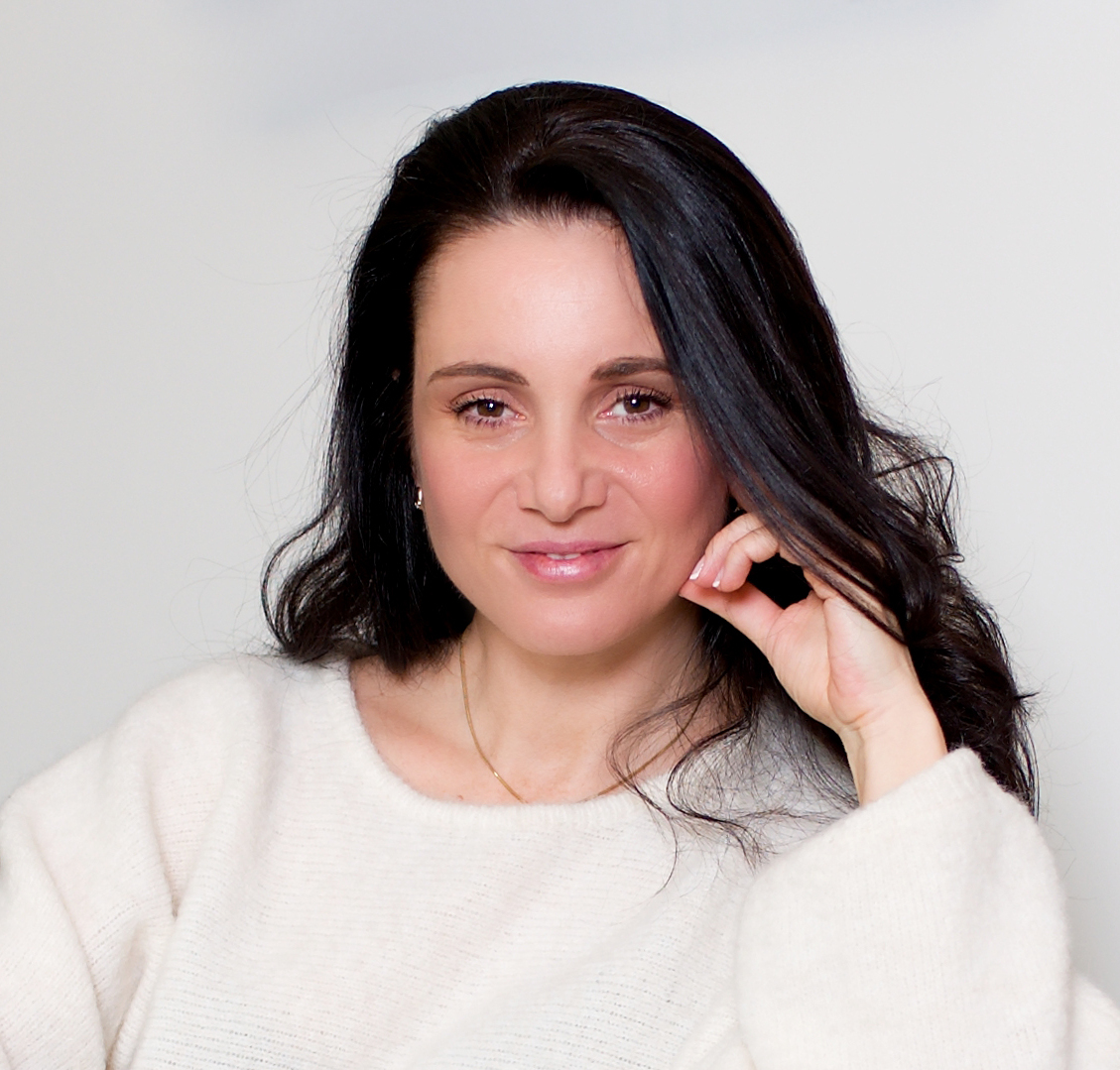

About Martina Očadlíková
Strategic Coach, PCC accredited by ICF, 25 years of business experience.
More about me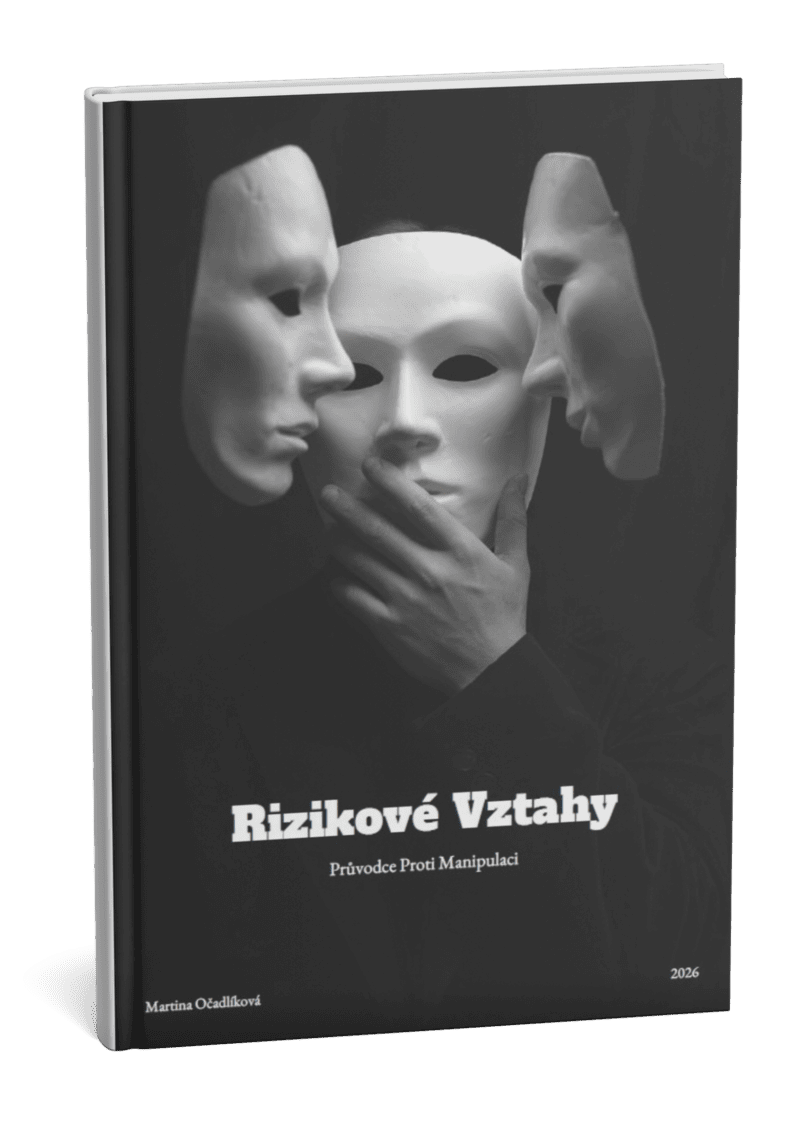
Risky relationships
A book for those who want to see the dynamics of relationships more clearly.
590 Kč
BuyAre you reading and identifying with this? Take it with you.
Browse audio programmes and books →